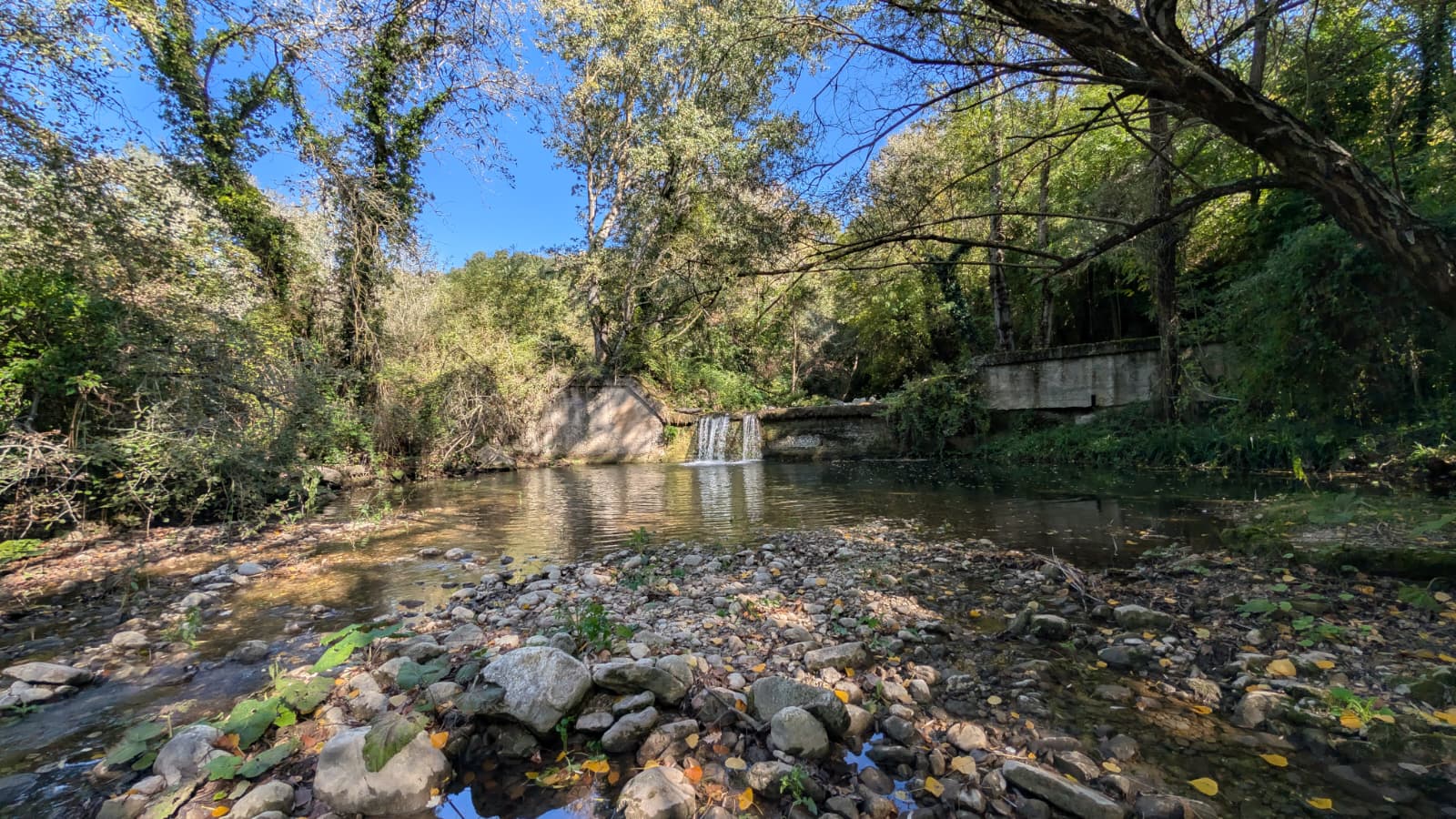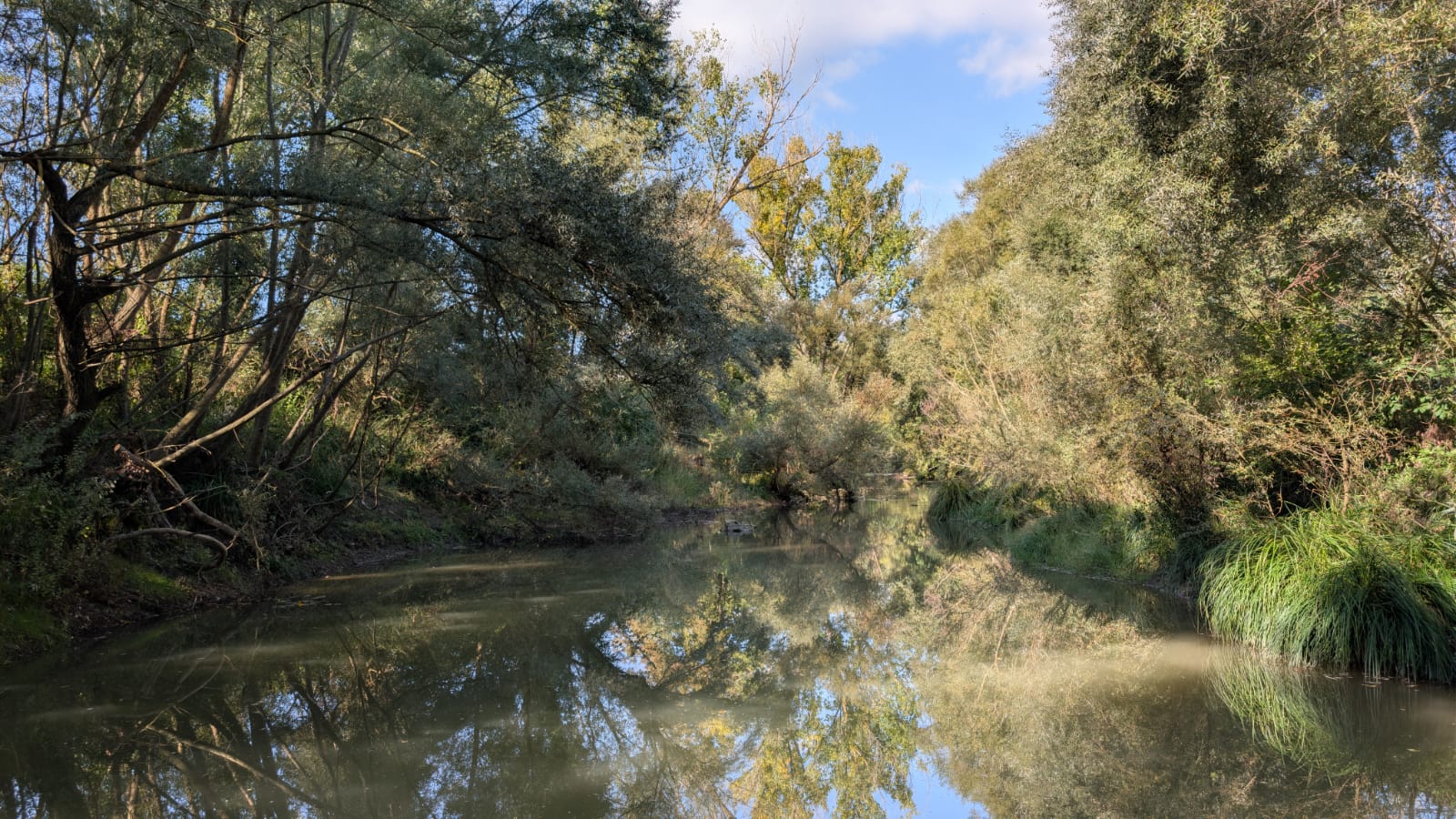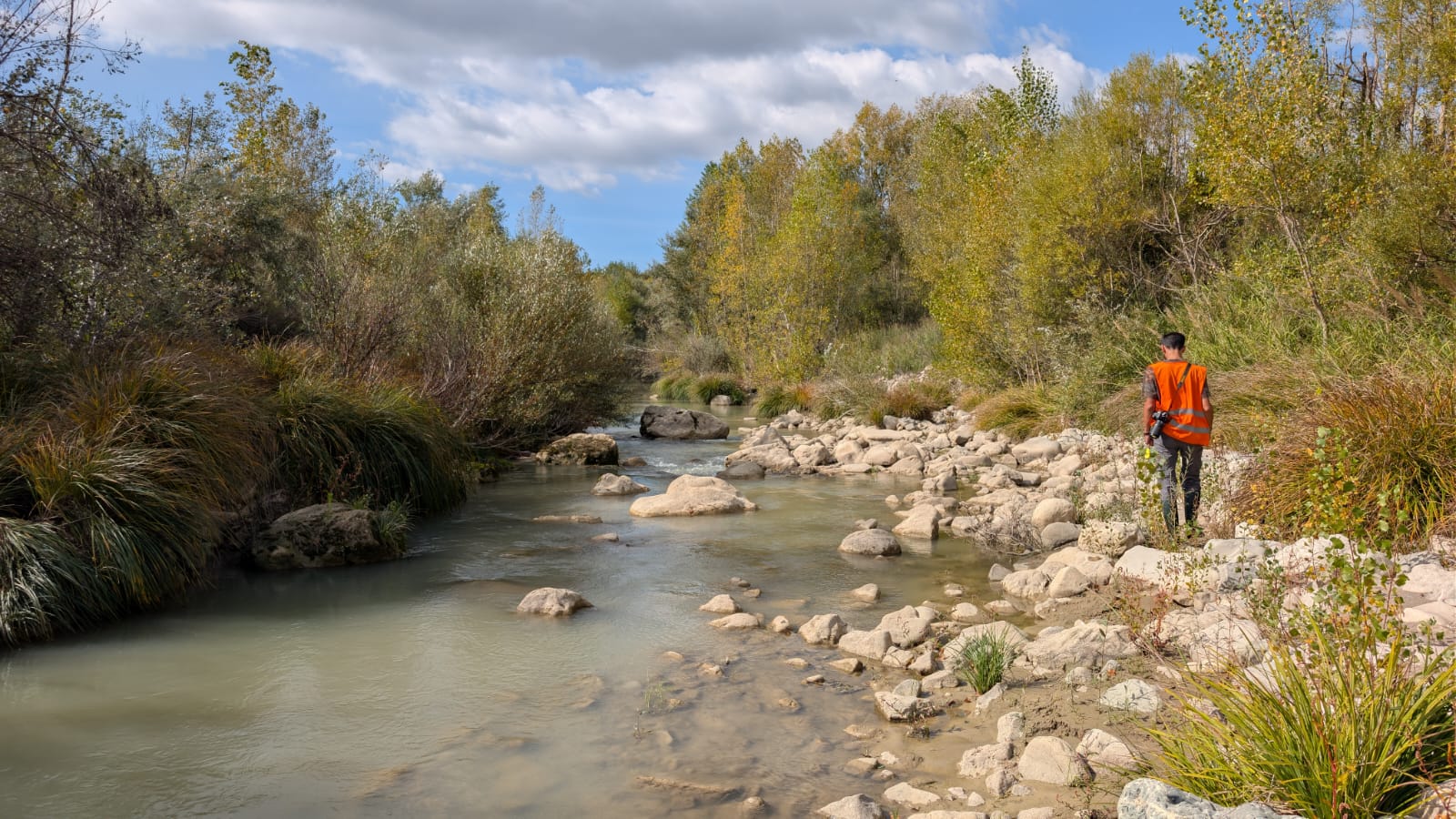
We’re back with a new project in one of the areas we’ve grown particularly fond of over the years, and this time we’re pulling on our waders.
There are places where, at least in our experience, all it takes is to start working there and get to know them to realise that, sooner or later, you’ll be back for another project.
One thing leads to another: you get to know a corner of the region, grow increasingly fond of it, build professional and – above all – personal relationships, and begin to see new opportunities for research and projects that could be developed there.
Recently, we’ve found ourselves in similar situations on two separate occasions, and with this short article, we’d like to tell you about the first one. We first started working in the Sannio area between Benevento and Molise (southern Italy) in 2021, with a three-year post-construction monitoring project aimed at assessing the impacts of a power line on birdlife. We then continued with a study on tetrapod fauna commissioned by our friends at WWF Sannio and returned on numerous other occasions, including for the press tour for influencers organised as part of the Eco.Cà project.
This is where our bond with Mattia began and grew stronger. Mattia is a friend who passed away only very recently, and someone with whom we had dreamed up so many projects we could bring to life together. We used to tell Mattia that, now that we had built a connection his countryside, we would do everything we could to nurture this connection and help it grow. And that remains true now, perhaps more than ever, even though he is no longer physically here with us.
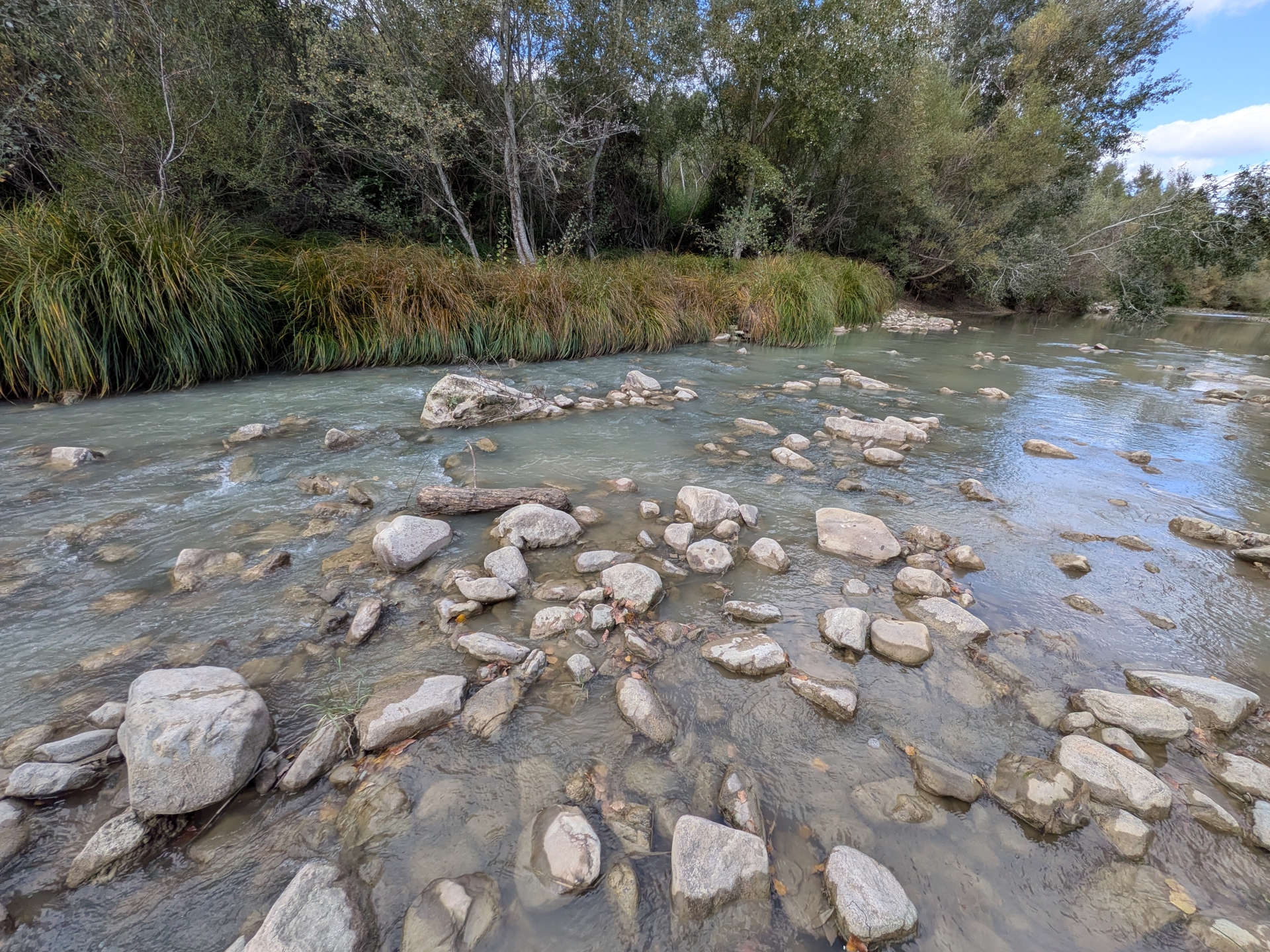
But what exactly brings us back to these places?
It’s a new project that, at the request of our young colleague Alessia Ranucci from ASNU ETS, we contributed envision and develop.
The project “Unchaining the Rivers”– submitted by ASNU in partnership with WWF Sannio – got funded by the European Open Rivers Programme and we are now contributing to it as external consultants. The European Open Rivers Programme a European initiative that supports efforts to restore river connectivity by removing dams and other artificial barriers: a project that focuses not only on the species inhabiting these areas, but on the whole riverine system.
We welcomed the opportunity of being part of the project with enthusiasm from the outset and suggested focusing our activities on the Sannio area, particularly on watercourses such as the Tammaro River and its tributaries, which we had already worked on in previous years.
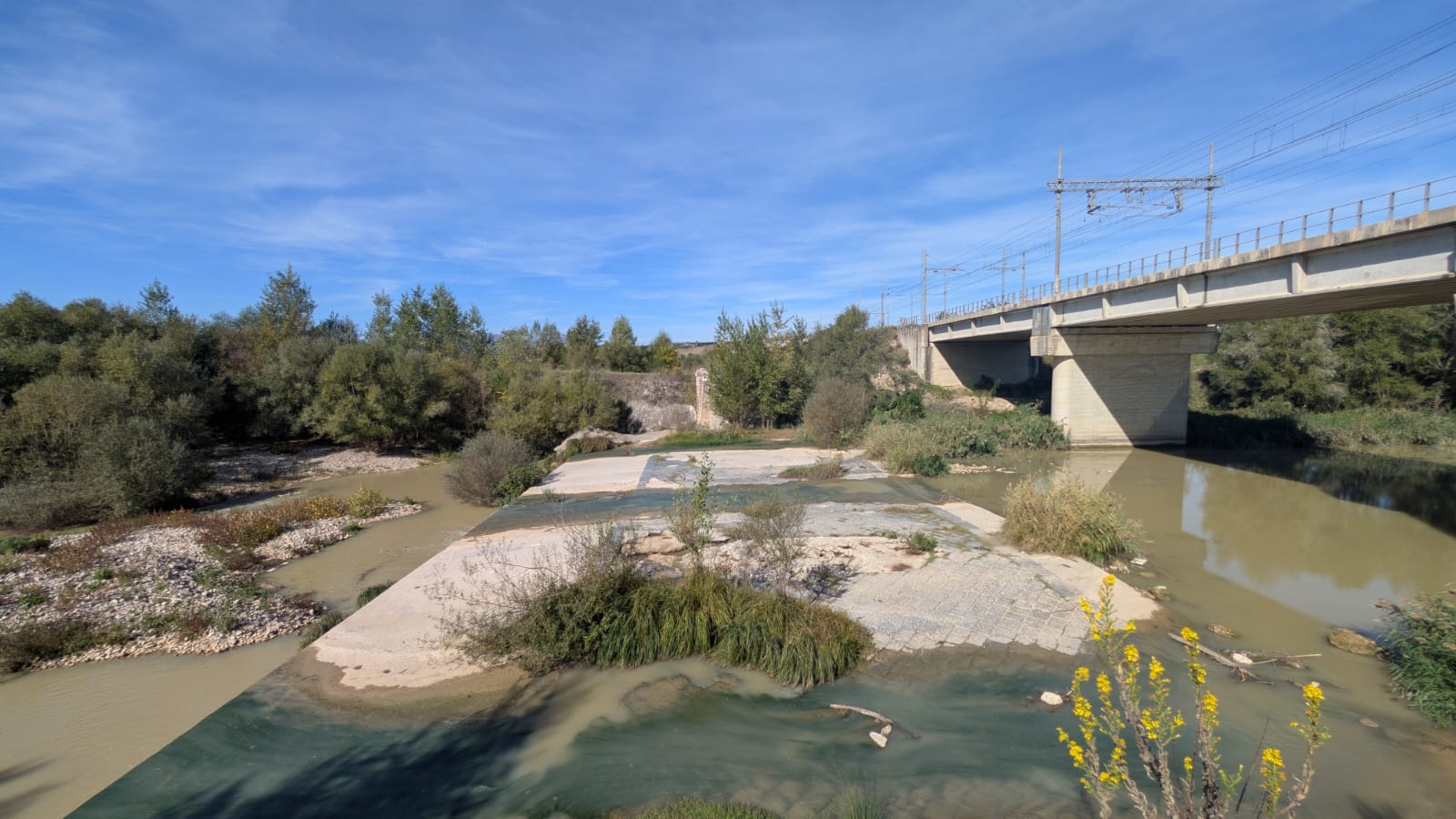
The project aims to map the artificial barriers that interrupt river connectivity and then identify those where intervention should be prioritized to restore more natural conditions to these watercourses. We’re talking about the Tammaro, the Tammarecchia, the Calore Irpino and other rivers and streams in the area, where dams, weirs and other transverse barriers fragment river habitats, obstruct fish movements and alter sediment transport.
When we think of structures that modify rivers, large dams and artificial reservoirs are often the first things that come to mind. In reality, much smaller structures can also have significant effects on the balance of river ecosystems. River fragmentation is recognized at the European level as one of the pressures contributing to the degradation of freshwater ecosystems. For this reason, restoring river connectivity has become an important objective of European policies on biodiversity and water protection.
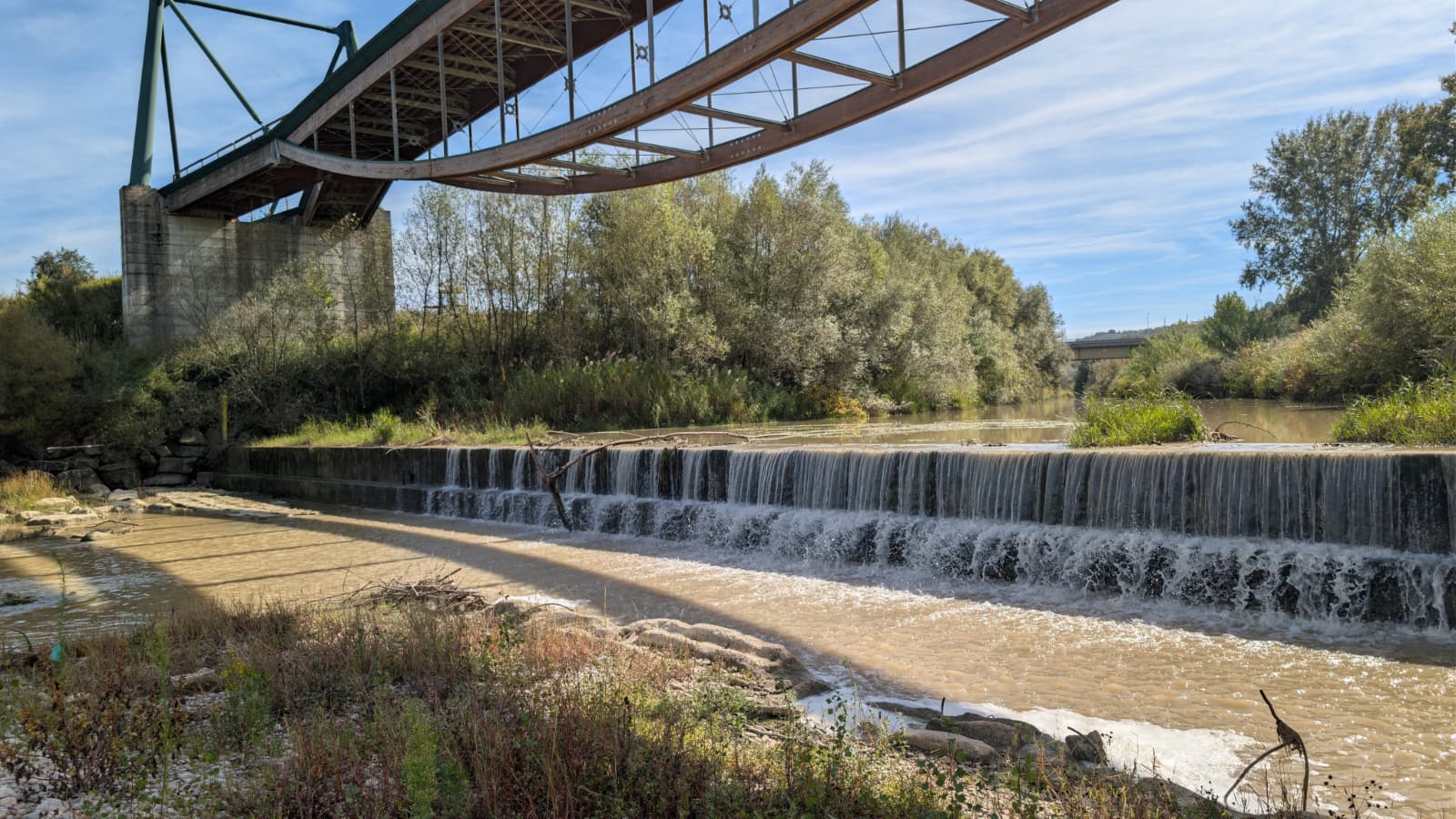
The project will cover more than 320 km of watercourses across the Sannio area, surveying and recording the barriers found along the way. The aim is to understand where they are located, what purpose they serve and to what extent they contribute to the fragmentation of river habitats. For each barrier, we’ll collect information on its geographical location, structural characteristics, state of conservation and potential effects on river connectivity.
Alongside field surveys, the project will also involve analysing existing information and engaging with local communities. People who live in these areas often hold valuable knowledge about the history of local watercourses, how the human-made structures have been used and the changes that have taken place over time.
The expected outcome is a publicly accessible database of the barriers surveyed, together with a ranking of intervention priorities to help identify the structures whose potential removal could deliver the greatest environmental benefits. Removing a barrier, however, requires careful consideration of its current function, the characteristics of the river, any potential effects upstream and downstream, the ecological benefits that the intervention could bring, and first of all implications for public safety. This is why developing a thorough understanding of the area is such an essential first step.
This is where one of the interesting aspects of the European Open Rivers Programme comes into play: its support is not limited to the physical removal of barriers, but can also cover the preliminary stages needed to make it possible, from identifying structures and setting priorities to conducting feasibility studies and designing the interventions.
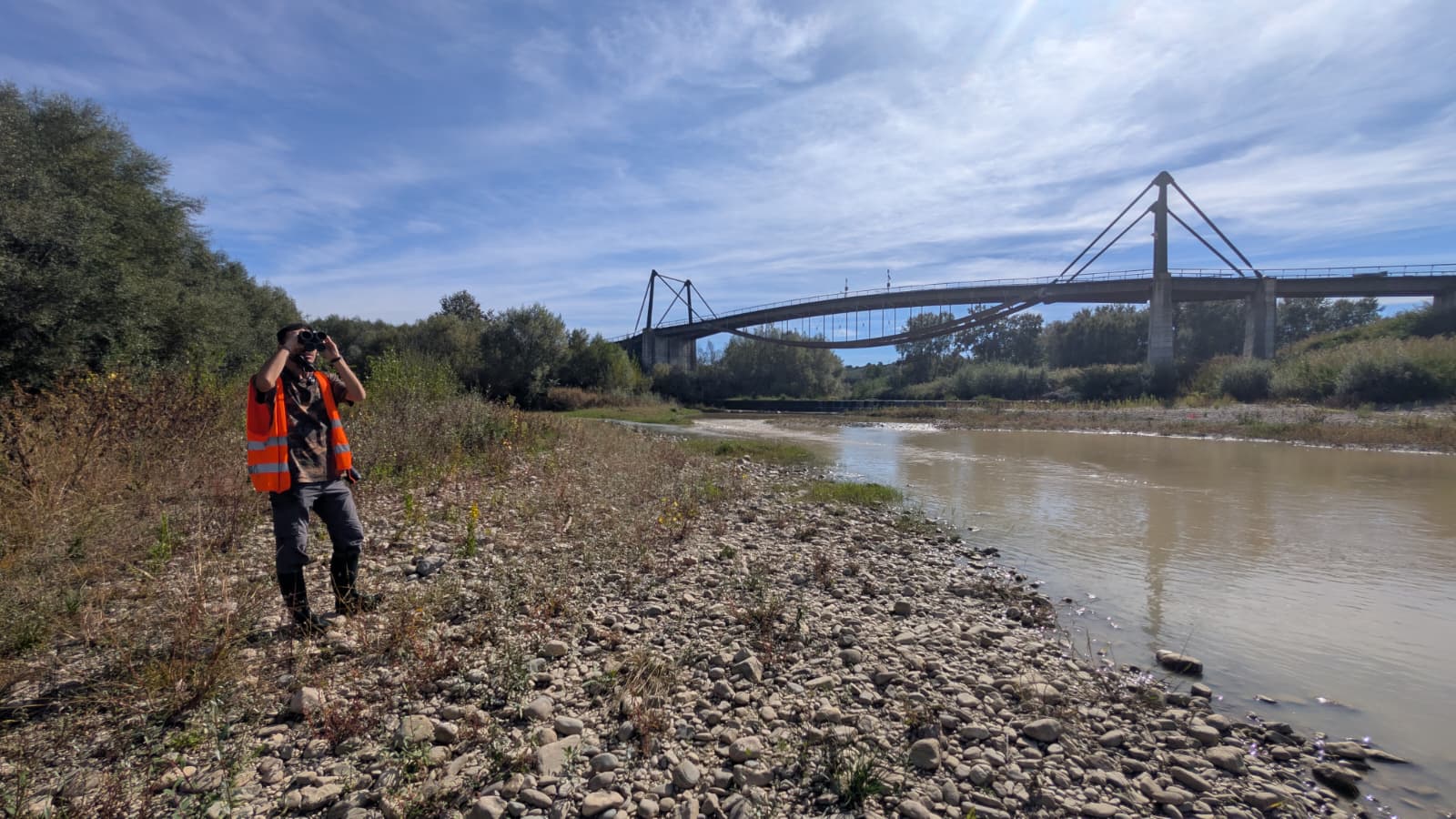
And for us, being able to contribute to this process in these very places means even more than just the work itself.
We’re genuinely happy to keep building and strengthening our relationship with these areas, following through on the plans we had shared and nurturing the connections that have grown here. We’re doing so also in memory of Mattia, with whom we would have loved to share many more adventures.
What makes it even more special is knowing that, this time, we’ll be working towards a tangible conservation goal: restoring some of our rivers’ ecological connectivity and helping improve conditions for aquatic habitats and the species that depend on them.
Because, ultimately, that’s also what our work is all about: getting to know places, building connections and turning them into opportunities to do something meaningful for biodiversity.
And so, just these past few days, we’ve finally pulled on our waders again and returned to work along these rivers.