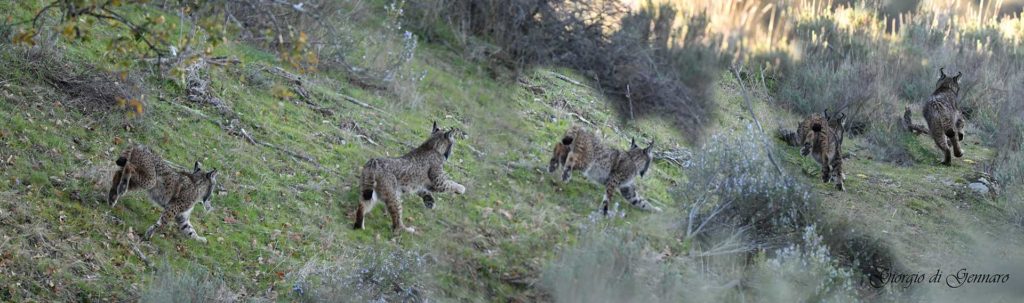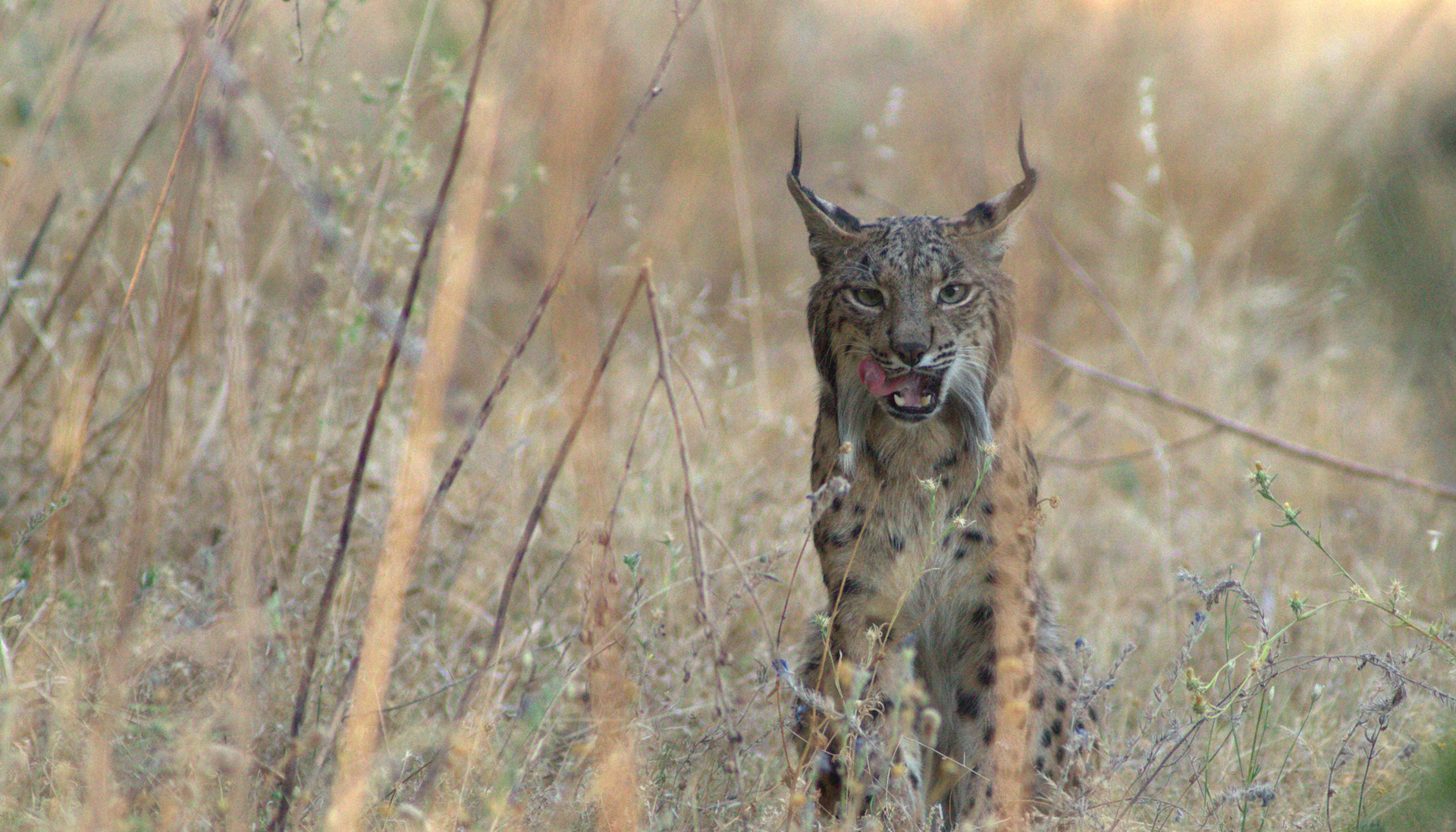

The Iberian Lynx (Lynx pardinus) is endemic to the Iberian Peninsula and is considered one of the most threatened felid species in the world.
This naturalistic expedition will explore two of the most important areas for the conservation of the Andalusian population of this extraordinary species: Doñana National Park and Sierra de Andújar Natural Park. The search for the Iberian Lynx, together with birdwatching and wildlife observation, will be the main focus of our journey.
The different seasons offer unique and complementary naturalistic opportunities. During the winter months (December–February), the breeding season of the Iberian Lynx reaches its most interesting phase: males increase their territorial movements and marking activity while searching for females, making them more active and increasing the chances of encountering this elusive predator. Winter is also an exceptional period for birdwatching, with the presence of numerous wintering species, including large concentrations of cranes, raptors and waterbirds gathering in the wetlands and open landscapes of Andalusia.
In spring (April–May), the Andalusian landscape is transformed by the blooming Mediterranean vegetation and an explosion of biodiversity. The young Iberian Lynx cubs, born in the previous months, begin to explore their surroundings under the guidance of their mother: observing these small felines moving and playing among the Mediterranean vegetation represents one of the most exciting wildlife experiences that the region can offer. Spring also coincides with the return of numerous migratory species and the breeding season for many bird species.
As in all our itineraries, biodiversity will be the undisputed protagonist of the journey, with activities focused on wildlife observation and the discovery of Andalusia’s spectacular natural landscapes. The experience will also include opportunities to discover the local culture and the region’s rich gastronomic traditions.
- Doñana National Park: The most important natural reserve in Spain, Doñana National and Natural Park is one of the largest and most significant wetland areas in Europe. It is also a UNESCO Biosphere Reserve. Located along the Atlantic coast, around the deltaic plain of the Guadalquivir River and its tributaries, the park encompasses a wide variety of highly valuable habitats, from lagoons and Mediterranean woodlands to extensive dune systems. Home to several species endemic to the Iberian Peninsula, including the Iberian Lynx and the Spanish Imperial Eagle, Doñana represents a major hotspot for birdlife during the spring and autumn migrations. During the winter months, the park becomes the most important wintering site in Western Europe for hundreds of thousands of ducks, as well as hosting huge numbers of Greylag Geese, Common Cranes, Greater Flamingos, Eurasian Spoonbills and many other species. From a herpetological perspective, Doñana is one of the richest areas in the whole of Spain. The diversity of mammals is equally remarkable and includes, besides the Iberian Lynx, numerous ungulates and particularly interesting species such as the Egyptian Mongoose and the Common Genet. Within the park lies the village of El Rocío, a unique settlement with a fascinating atmosphere and charm — and this is where we will stay during the tour!
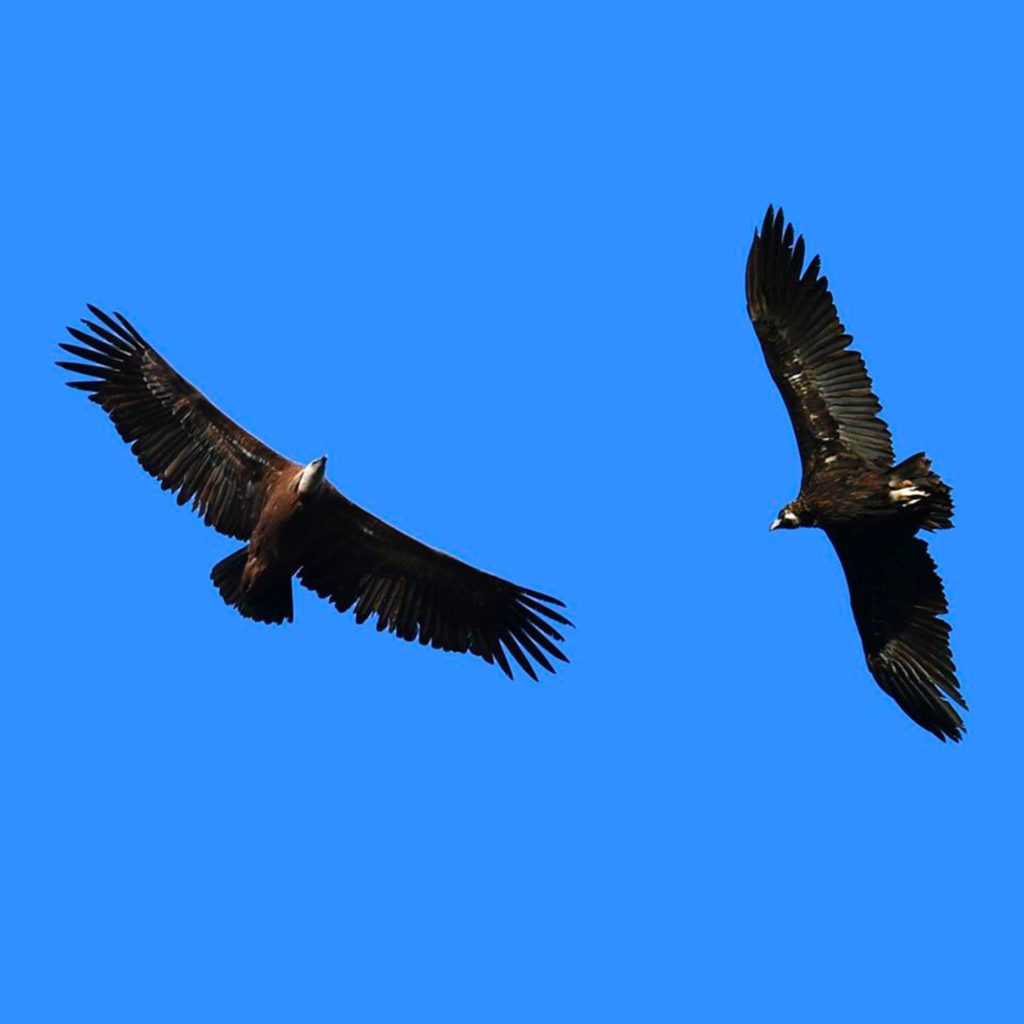
- Sierra de Andújar Natural Park: Probably the best place to observe the Iberian Lynx in the Iberian Peninsula, this protected area is located in the heart of the Sierra Morena and preserves one of the largest expanses of dehesa (Mediterranean woodland pasture) in Andalusia. This characteristic landscape hosts a remarkable diversity of wildlife, including numerous ungulates such as the Spanish Ibex, Iberian Red Deer, Fallow Deer and Wild Boar. The area is also exceptionally rich in raptors, including the Spanish Imperial Eagle, Cinereous and Griffon Vulture. Along the Yeguas River, which flows through the mountains of the park, the presence of the European Otter can also be frequently detected.
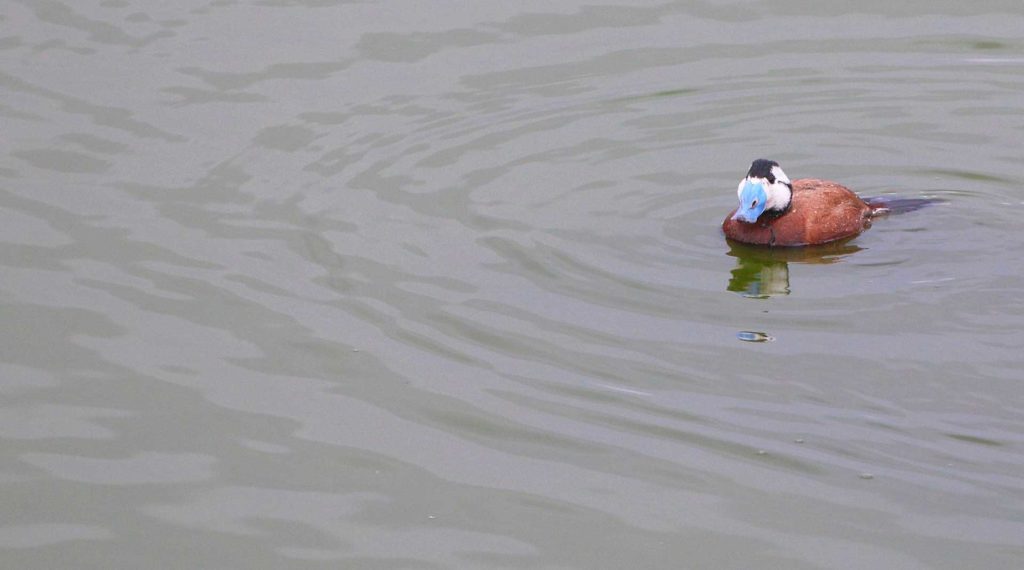
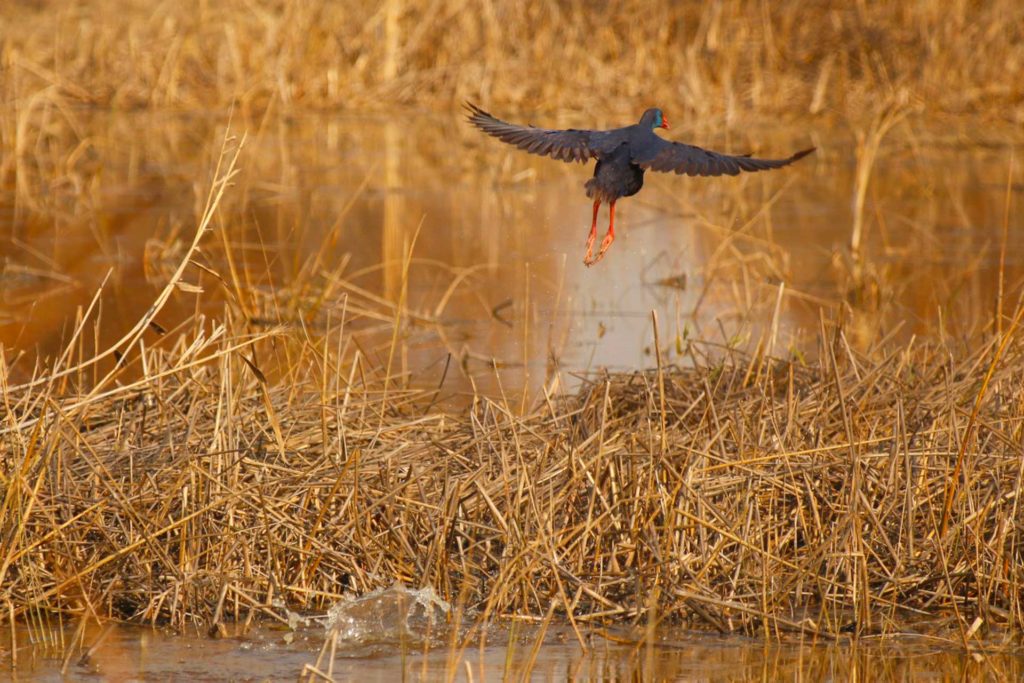
- Lantejuela: The area east of Seville is characterised by a network of shallow lagoons surrounded by the typical steppe landscapes of this region of Spain. These small wetlands host an important population of the White-headed Duck, one of the most threatened duck species in Europe. Another remarkable species found here is the colourful Purple Swamphen. The surrounding dry agricultural plains support a variety of steppe-specialist birds, including the Great Bustard, Little Bustard, Stone-curlew and Black-bellied Sandgrouse.
- Dehesa de Aznalcázar: The area west of Seville, despite the presence of human activities such as agricultural fields and infrastructure, still preserves important natural habitats characterised by dehesa landscapes. This evergreen Mediterranean woodland, typical of the Iberian Peninsula, supports an extraordinary variety of plant and animal species. The undisputed symbol of this habitat is the Iberian Lynx, an elusive predator present here with several breeding pairs. It is in this area that we will search for signs and traces left by this rare feline, hoping — with a bit of luck — to encounter it in its natural environment!
- El Rocío: Like a scene from a Western movie, the sandy streets of El Rocío are lined with single-storey houses featuring large courtyards. Here, locals still often prefer horses as a means of transportation, creating a unique atmosphere unlike anywhere else in Europe. A visit to this remarkable village is a truly unforgettable experience.
Mammals: Iberian Lynx (Lynx pardinus), Egyptian Mongoose (Herpestes ichneumon), Common Genet (Genetta genetta), Eurasian Otter (Lutra lutra), Iberian Hare (Lepus granatensis), Iberian Red Deer (Cervus elaphus hispanicus).
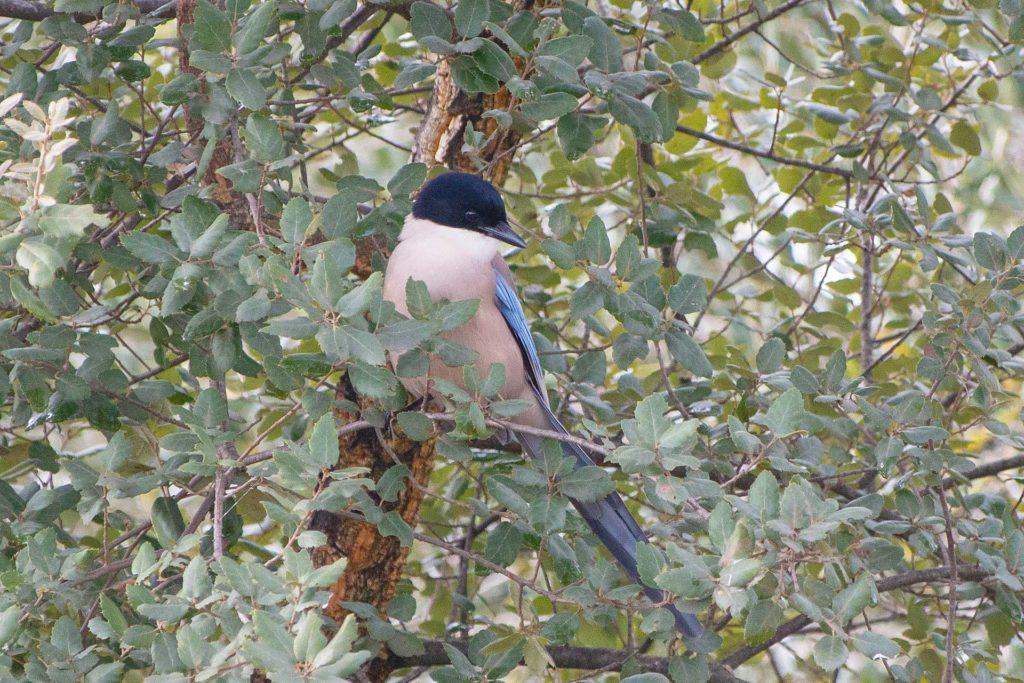
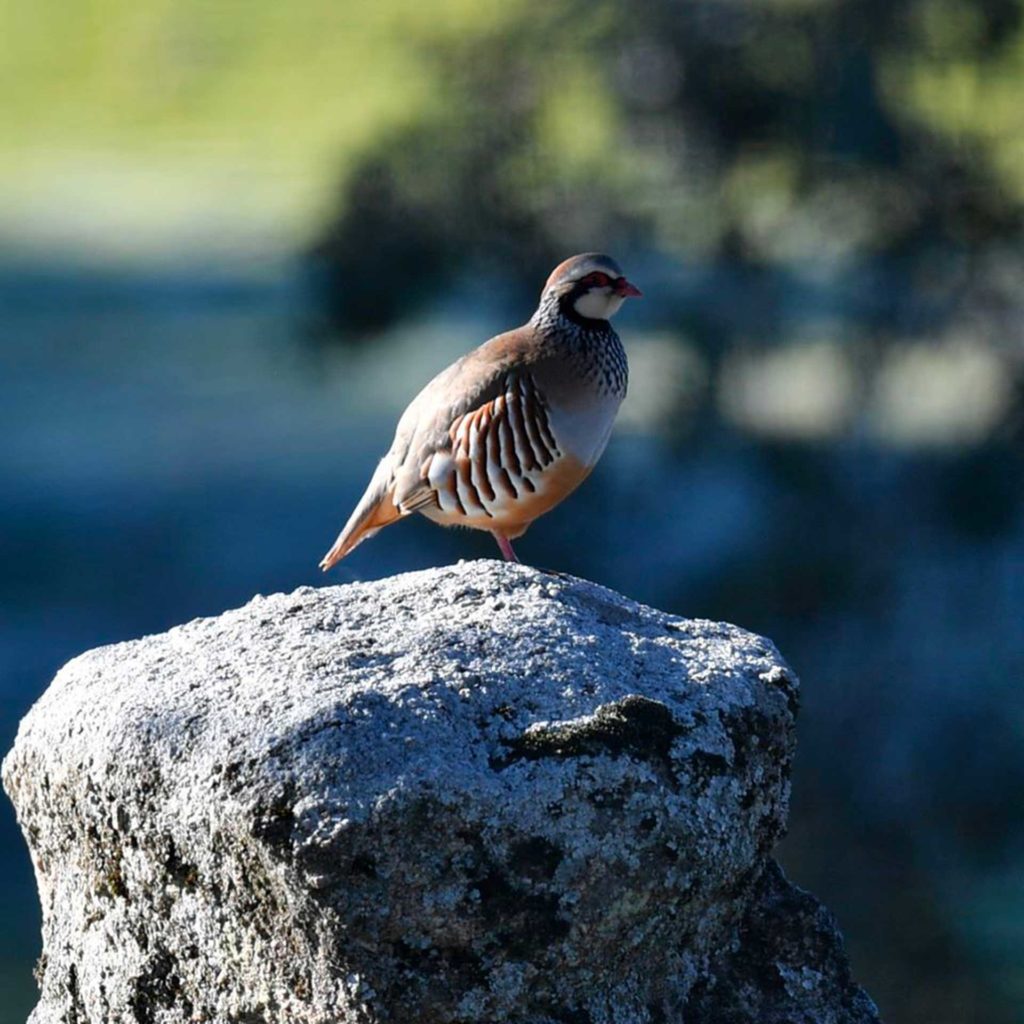
Birds: White-headed Duck (Oxyura leucocephala), Marbled Duck (Marmaronetta angustirostris), Red-legged Partridge (Alectoris rufa), Black Stork (Ciconia nigra), Eurasian Griffon Vulture (Gyps fulvus), Spanish Imperial Eagle (Aquila adalberti), Bonelli’s Eagle (Aquila fasciata), Black-shouldered Kite (Elanus caeruleus), Red-knobbed Coot (Fulica cristata), Western Swamphen (Porphyrio porphyrio), Great Bustard (Otis tarda), Little Bustard (Tetrax tetrax), Eurasian Stone-curlew (Burhinus oedicnemus), Pin-tailed Sandgrouse (Pterocles alchata), Black-bellied Sandgrouse (Pterocles orientalis), Iberian Woodpecker (Picus sharpei), Thekla Lark (Galerida theklae), Lesser Short-toed Lark (Calandrella rufescens), Black Wheatear (Oenanthe leucura), Southern Grey Shrike (Lanius meridionalis), Spotless Starling (Sturnus unicolor), Iberian Magpie (Cyanopica cooki).
Reptiles: Mauremys leprosa, Testudo graeca, Chamaeleo chamaeleon, Acanthodactylus erythrurus, Psammodromus algirus, Psammodromus occidentalis, Timon lepidus, Podarcis carbonelli, Podarcis vaucheri, Chalcides bedriagai, Chalcides striatus, Blanus cinereus, Blanus mariae, Hemorrhois hippocrepis, Rhinechis scalaris, Coronella girondica, Macroprotodon brevis, Natrix astreptophora, Natrix maura, Malpolon monspessulanus, Vipera latastei.
* given the winter period, the observation of the Reptiles will mainly depend on the weather present during the tour.
Amphibians: Pleurodeles waltl, Lissotriton boscai, Triturus pygmaeus, Epidalea calamita, Alytes cisternasii, Discoglossus galganoi, Discoglossus jeanneae, Pelobates cultripes, Pelodytes ibericus, Bufo spinosus, Hyla meridionalis, Pelophylax perezi.
DAY 1: Meeting with the local guide in Seville and transfer to El Rocío. Exploration and birdwatching in Doñana Natural Park. Sunset stakeout for the Iberian Lynx. Dinner and overnight stay in El Rocío.
DAY 2: Sunrise stakeout for the Iberian Lynx and exploration of Dehesa de Abajo. Exploration and birdwatching in Doñana Natural Park. Sunset stakeout for the Iberian Lynx. Dinner and overnight stay in El Rocío.
DAY 3: Sunrise stakeout for the Iberian Lynx and exploration of Dehesa de Abajo. Transfer to Lantejuela and birdwatching in the steppe and lagoon areas east of Seville. In the afternoon, transfer to Sierra de Andújar Natural Park. Sunset search for the Iberian Lynx. Dinner and overnight stay in Andújar.
DAY 4: Sunrise stakeout for the Iberian Lynx. Full day dedicated to exploring and birdwatching in Sierra de Andújar Natural Park. Sunset search for the Iberian Lynx. Dinner and overnight stay in Andújar.
DAY 5: Sunrise stakeout for the Iberian Lynx. Transfer to Seville. Transfer to the airport and end of the tour.
For more information contact the organizers.
What is included:
- Overnight stays (single and double option).
- Meals (4 breakfasts, 5 packed lunches, 4 dinners – drinks not included).
- Internal transfers by van, including fuel costs, tolls, parking.
- Local expert zoological guide of Wild Doñana.
- Scientific accompaniment by zoologist for the duration of the trip, with support material for wildlife observations (binoculars, spotting scope, field guides, etc.).
- Travel insurance.
What’s not included:
- Flights.
- Entrance to the monuments and any tips to local guides.
- Everything not mentioned in the previous item.
Possibility to request a quote including airfare, with any additional nights, depending on personal needs.
The rate includes basic travel insurance.
For further information regarding the possibility of taking out additional insurance policies, contact the organizers.
Penalties in the event of cancellation: In the event of unmotivated withdrawal of the contract by the consumer, the penalties are equal to 100% of the entire participation fee, in addition to non-refundable insurance premiums.
Number of participants: Minimum 3
If the minimum group is not reached or if the organization cancels due to force majeure, the entire amount paid will be refunded.
Reservations within 30 days from departure.
Information regarding rates and payment methods will be communicated by email after completing the request form.

All our tours are organized in collaboration with the Travel Agency “Mama Tours”

Can’t find the experience of your dreams? Do you want to observe a particular species or visit a specific natural area?
We can create a 100% customized and personalized tour!