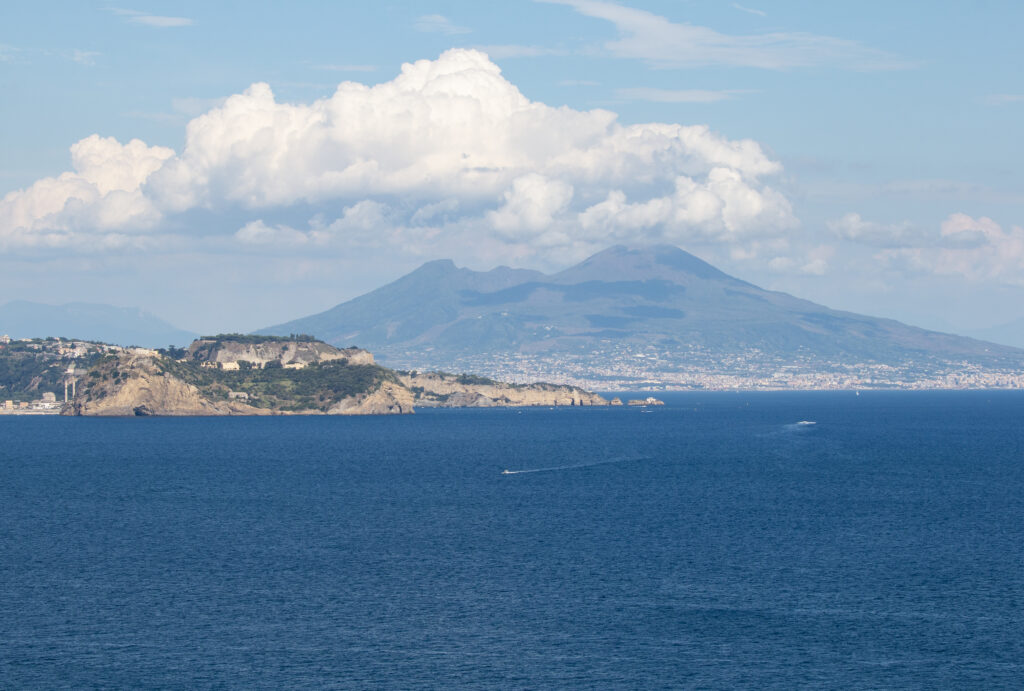
Naples
- Upcoming datesOn request
- Duration4 days (3 nights)
- Sites of interestVesuvius; Sorrento Peninsula and Lattari Mountains; Phlegraean Fields; Lake Patria; Herculaneum
- Pricefrom 5.200 €
- Number of participants4 or 6

The organization of birdwatching tours in Campania represents a project idea developed within the framework of the F.U.N.T. grant — Finanziamento Unione Nazionale Turismo (National Tourism Union Funding) — aimed at enhancing the natural heritage and promoting sustainable forms of tourism across the territory

Naples province offers one of the most fascinating combinations of volcanic landscapes, coastal habitats, islands, and historic urban environments in Southern Italy. Here, nature and culture are deeply intertwined: historic fortresses overlook the sea, volcanic craters host wetlands rich in birdlife, and dramatic cliffs provide nesting sites for some of the Mediterranean’s most iconic species.
Birdwatching experiences in the area may include the urban environments of Naples, the volcanic scenery of the Phlegraean Fields, the Amalfi and Sorrento coastlines, wetlands, as well as offshore islands across the Bay of Naples. Depending on the season, visitors can witness spectacular migration movements along the coast, wintering seabirds in harbors and volcanic lakes, or breeding species inhabiting Mediterranean scrub and rocky shorelines.
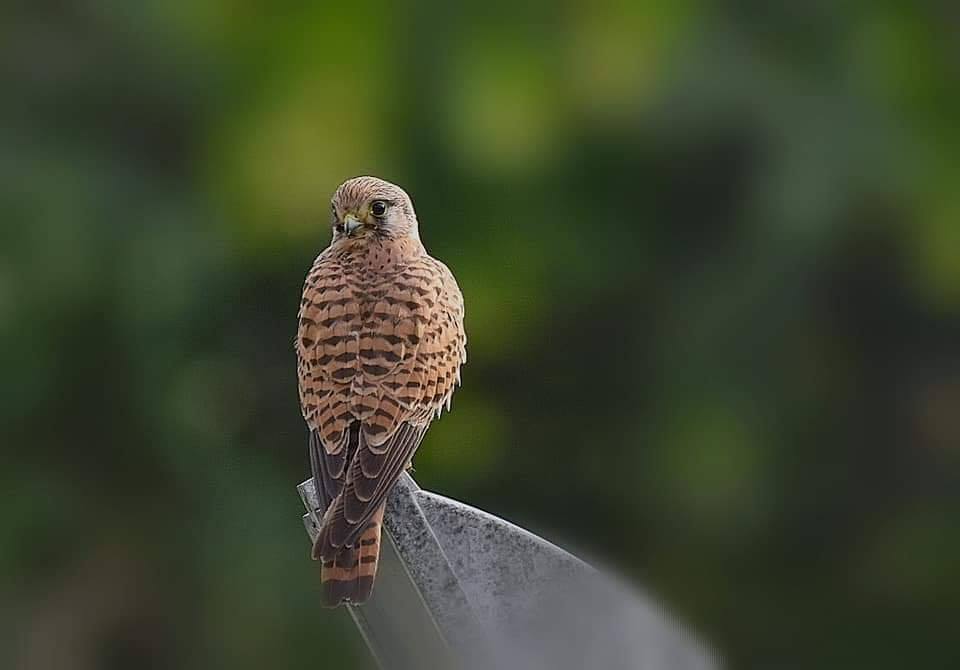
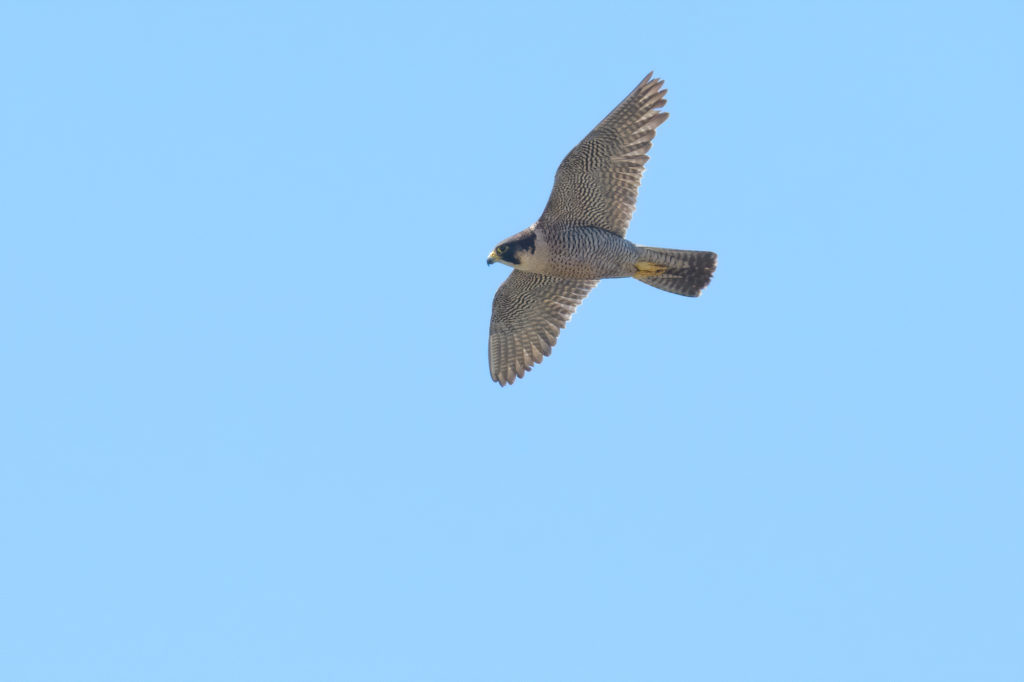
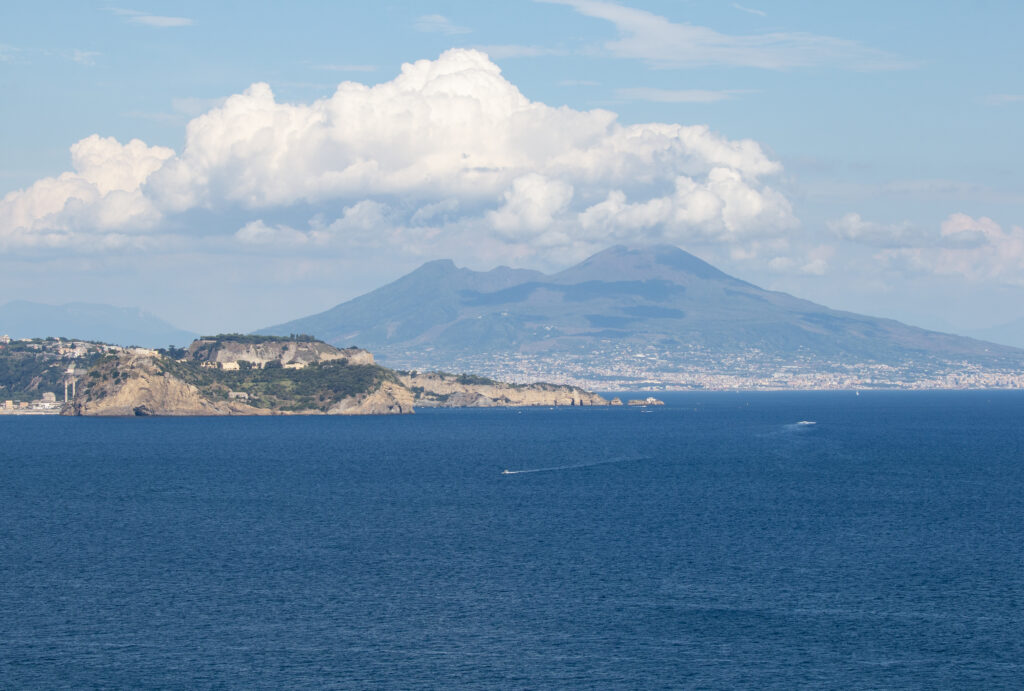
The city of Naples itself reveals unexpected biodiversity. Peregrine Falcons patrol above historic buildings, while Blue Rock Thrushes and Pallid Swifts breed among ancient walls and urban cliffs. Alpine Swifts can often be observed circling above the historic center during the warmer months, while along the waterfront and in nearby harbors winter frequently brings Mediterranean Gulls and other seabirds feeding against the backdrop of Mount Vesuvius.
Beyond the city, the Amalfi and Sorrento coasts offer spectacular panoramic landscapes where migratory birds follow the shoreline during spring and autumn movements. Rocky cliffs and Mediterranean scrub host breeding species throughout the warmer months, while pelagic excursions across the Gulf of Naples may provide opportunities to observe Scopoli’s and Yelkouan Shearwaters gliding low above the sea.
Further west, the Phlegraean Fields present a completely different atmosphere: crater lakes, wetlands, coastal lagoons, Roman ruins, and active geothermal phenomena create one of the most distinctive landscapes in the Mediterranean basin. During migration and winter, these habitats become important stopover and refuge areas for waterbirds and gulls, including the elegant Audouin’s Gull. Reedbeds and freshwater habitats within the area may also host elusive species such as the Little Bittern during the breeding season.
- Vesuvius National Park: An iconic symbol of the region, Mount Vesuvius supports a remarkable mosaic of habitats ranging from open volcanic landscapes to Mediterranean woodlands and traditional agricultural areas. The volcano’s slopes provide several points for observing raptors and passerines during seasonal migration. Higher elevations and rocky summit areas also support species associated with cliff and rocky habitats, many of which breed or winter among lava outcrops, escarpments, and volcanic slopes.
- Sorrento Peninsula and Lattari Mountains: The Lattari Mountains and Sorrento Peninsula combine coastal cliffs, Mediterranean scrub, wooded valleys, and traditional agricultural landscapes into one of southern Italy’s most scenic natural areas. During migration, these ridges act as important corridors for a wide range of bird species, while coastal habitats and rocky cliffs support diverse breeding communities throughout the summer months. The higher elevations, characterized by mountain grasslands, rocky outcrops, and scree slopes, host species typically associated with upland environments, offering excellent opportunities to observe birds adapted to the more open and rugged habitats of the southern Apennines.
- Phlegraean Fields: Shaped by complex volcanic systems, crater lakes, and millennia of human history, the Phlegraean Fields form one of the Mediterranean’s most distinctive and fascinating landscapes. Lakes Averno, Lucrino, and Fusaro, together with their associated wetlands and surrounding agricultural areas, provide important hotspots for a wide variety of bird species throughout the year. Overlooking the Gulf of Naples, Cape Miseno offers spectacular coastal scenery and one of the region’s finest locations for seawatching. Its strategic position between open sea, coastal cliffs, and Mediterranean scrub makes it particularly rewarding during migration periods, when large numbers of birds follow the coastline or cross the gulf.
- Lake Patria: The largest coastal lake in Campania is one of the province’s most important birdlife hotspots. Located along a major migration route in the western Mediterranean, Lake Patria supports a remarkable diversity of birdlife throughout the year. Its open waters, surrounding canals, and adjacent wetlands provide essential habitat for waterfowl, waders, herons, and many other species associated with aquatic ecosystems, making it one of the premier birdwatching destinations in southern Italy.
- Herculaneum: Located on the slopes of Mount Vesuvius, Herculaneum is an exceptional archaeological and cultural site overlooking the Gulf of Naples. Beyond its historical significance, the surrounding landscape offers interesting birdwatching opportunities due to the proximity between urban areas, cultivated terraces, and volcanic habitats. The mix of Mediterranean vegetation, orchards, and coastal proximity creates suitable conditions for observing a variety of woodland and edge species, making the area a valuable stop within broader nature-based itineraries in the Vesuvian region.
| Package Type | Group of 4 participants | Group of 6 participants |
|---|---|---|
| Experience | € 7,300 | € 8,900 |
| Young | € 5,200 | € 5,900 |
The rates refer to the standard packages developed within the project and are calculated for groups of 4 or 6 participants. The difference between Experience and Young versions is determined by the type of accommodation included and the services provided within the package.
A customised quotation can be requested for groups with a different number of participants (lower or higher than those included in the standard packages), as well as for tailor-made itineraries, which can be modified in terms of duration and geographical extension according to the specific needs of the group.
For further information and to receive a personalised offer, please contact the organisers.
What is included:
- Accommodation.
- Meals (3 breakfasts, 4 lunches, 3 dinners).
- Transfers to/from Naples and all internal transfers by private minivan or coach with driver (including tolls and parking fees).
- Scientific accompaniment by an ornithologist throughout the entire trip, including supporting materials for wildlife observation (binoculars, spotting scope, field guides, etc.).
- Enogastronomic experience with visit and tasting at a local wine producer.
- Guided archaeological visit to Herculaneum.
- Entrance fees to nature reserves and WWF/LIPU Oases, where included in the itinerary.
- Basic insurance.
What’s not included:
- Optional tips for local guides.
- Anything not explicitly mentioned in the “What is included” section.
Information regarding rates and payment methods will be communicated by email after filling in the request form.

All our tours are organized in collaboration with the Travel Agency “Mama Tours”

Can’t find the experience of your dreams? Do you want to observe a particular species or visit a specific natural area?
We can create a 100% customized and personalized tour!