Accessible Campania
- Upcoming datesOn request
- Duration4 days (3 nights)
- Sites of interestPhlegraean Fields; Domitian Coast; Gulf of Policastro; Sannio and Irpinia Region
- Pricefrom 4.500 €
- Number of participants2

The organization of birdwatching tours in Campania represents a project idea developed within the framework of the F.U.N.T. grant — Finanziamento Unione Nazionale Turismo (National Tourism Union Funding) — aimed at enhancing the natural heritage and promoting sustainable forms of tourism across the territory

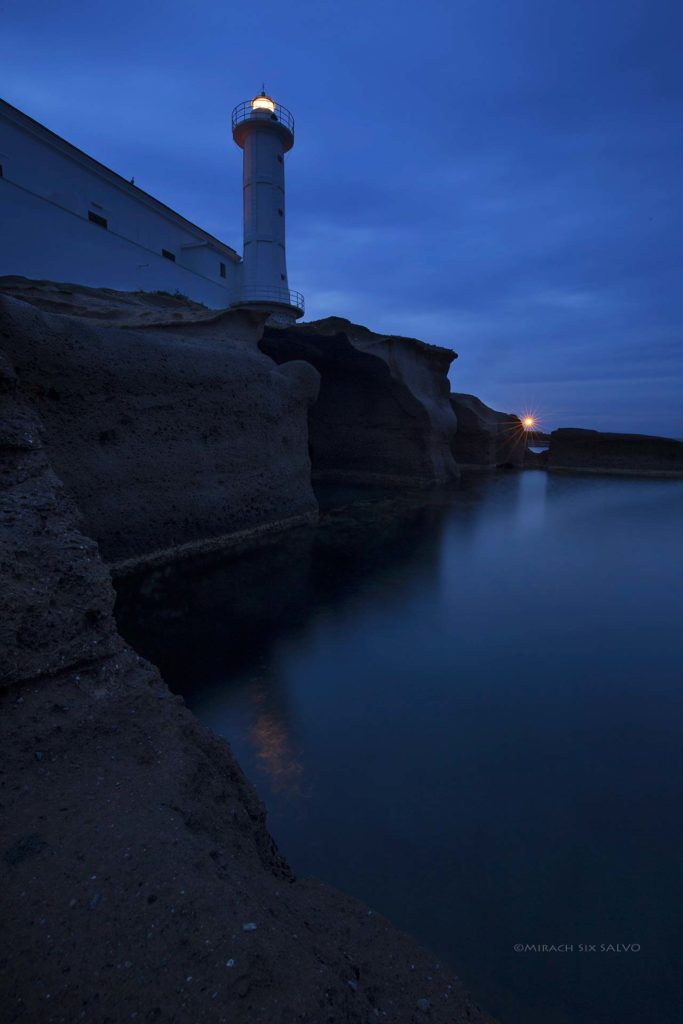
Naples province offers one of the most fascinating combinations of volcanic landscapes, coastal habitats, islands, and historic urban environments in Southern Italy. Here, nature and culture are deeply intertwined: historic fortresses overlook the sea, volcanic craters host wetlands rich in birdlife, and dramatic cliffs provide nesting sites for some of the Mediterranean’s most iconic species.
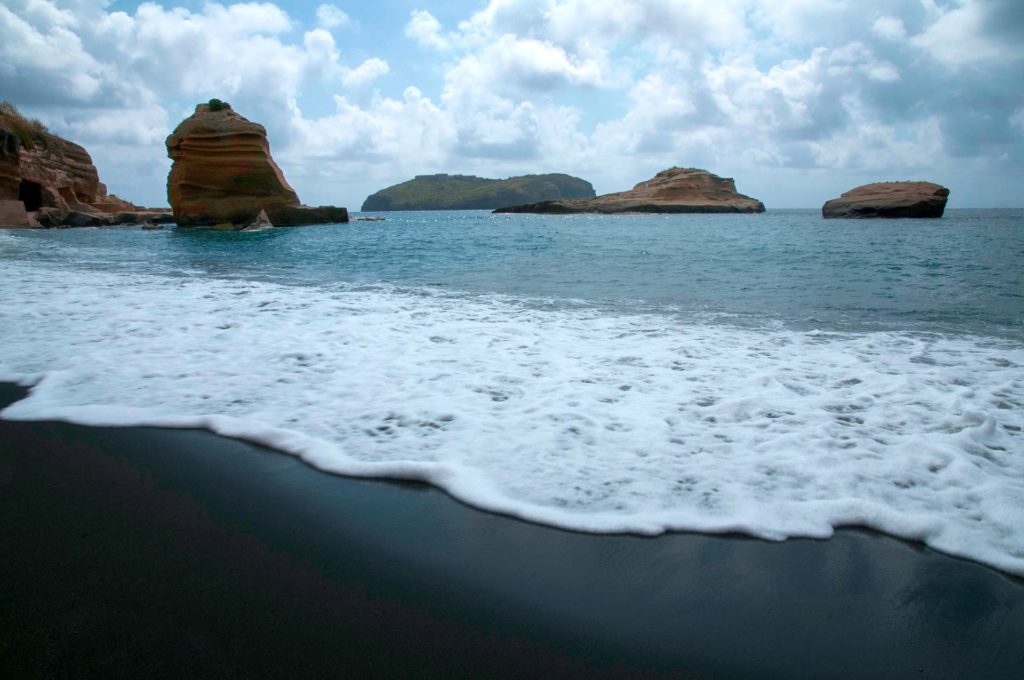
Birdwatching experiences in the area may include the urban environments of Naples, the volcanic scenery of the Phlegraean Fields, the Amalfi and Sorrento coastlines, wetlands, as well as offshore islands across the Bay of Naples. Depending on the season, visitors can witness spectacular migration movements along the coast, wintering seabirds in harbors and volcanic lakes, or breeding species inhabiting Mediterranean scrub and rocky shorelines.
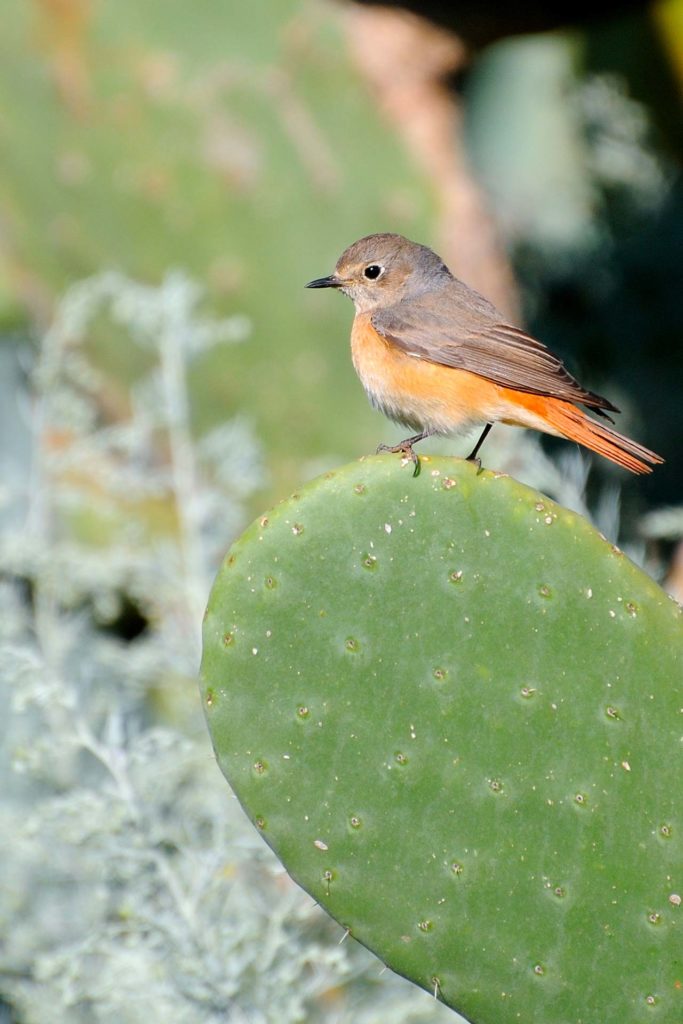
The city of Naples itself reveals unexpected biodiversity. Peregrine Falcons patrol above historic buildings, while Blue Rock Thrushes and Pallid Swifts breed among ancient walls and urban cliffs. Alpine Swifts can often be observed circling above the historic center during the warmer months, while along the waterfront and in nearby harbors winter frequently brings Mediterranean Gulls and other seabirds feeding against the backdrop of Mount Vesuvius.
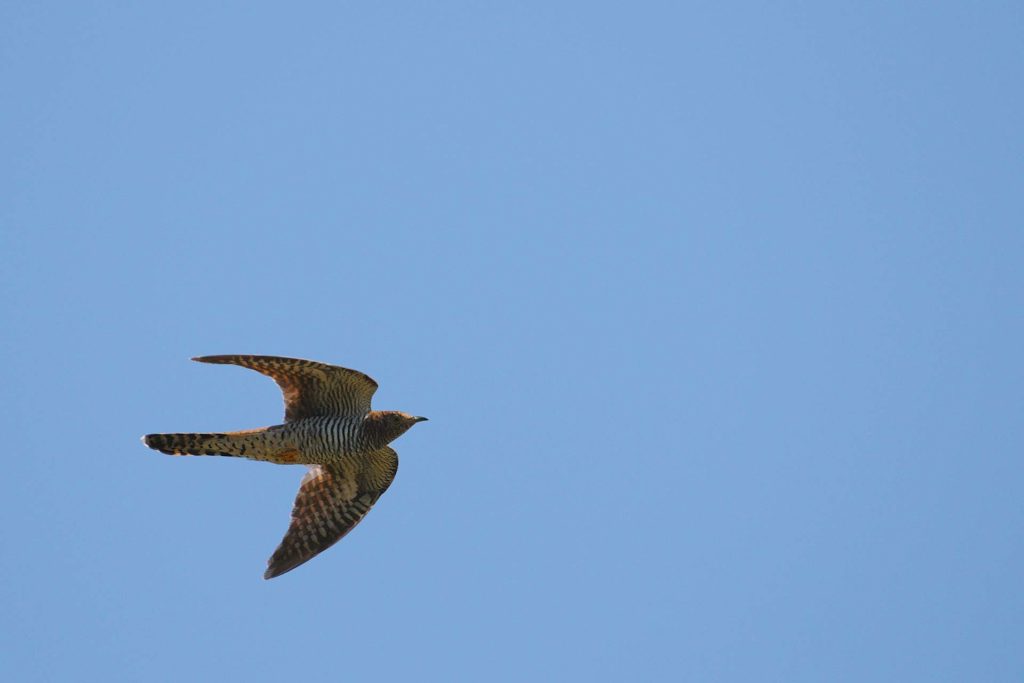
Beyond the city, the Amalfi and Sorrento coasts offer spectacular panoramic landscapes where migratory birds follow the shoreline during spring and autumn movements. Rocky cliffs and Mediterranean scrub host breeding species throughout the warmer months, while pelagic excursions across the Gulf of Naples may provide opportunities to observe Scopoli’s and Yelkouan Shearwaters gliding low above the sea.
Più a ovest, i Campi Flegrei presentano un ambiente completamente diverso: laghi vulcanici, zone umide, resti archeologici romani e fenomeni geotermici attivi creano uno dei paesaggi più peculiari del Mediterraneo. Durante i periodi di migrazione e in inverno, questi habitat diventano importanti aree di sosta e svernamento per uccelli acquatici, tra cui il raro Gabbiano corso. Le zone di canneto e gli ambienti d’acqua dolce possono inoltre ospitare specie elusive come il Tarabusino durante la stagione riproduttiva.
Further west, the Phlegraean Fields present a completely different atmosphere: crater lakes, wetlands, coastal lagoons, Roman ruins, and active geothermal phenomena create one of the most distinctive landscapes in the Mediterranean basin. During migration and winter, these habitats become important stopover and refuge areas for waterbirds and gulls, including the elegant Audouin’s Gull. Reedbeds and freshwater habitats within the area may also host elusive species such as the Little Bittern during the breeding season.
-
Phlegraean Fields: The Phlegraean Fields, with their complex volcanic systems, crater lakes, and ancient archaeological heritage, represent one of the most striking and distinctive landscapes in the Mediterranean. The lakes of Averno, Lucrino, and Fusaro, together with their associated habitats and surrounding agricultural areas, constitute important biodiversity hotspots for numerous bird species. During peak migration periods, the area hosts raptors, passerines, and waterbirds, while the historical and archaeological context further enhances the experience of each observation.
-
Domitian Coast (Caserta coastal wetlands):Despite the significant transformations undergone in recent decades, the Domitian Coast remains one of the most important wetland areas along the Tyrrhenian side of Italy. Coastal lakes, canals, agricultural landscapes, and remnant dune systems provide refuge for a rich community of waterbirds and migratory species. Thanks to its strategic position along one of the main Mediterranean flyways, this area represents a key stopover site for avifauna throughout the year.
-
Gulf of Policastro: At the southernmost edge of Campania, the Gulf of Policastro represents one of the main entry points for migratory birds during spring migration. The presence of the nearby Monte Bulgheria limestone massif provides a key geographical landmark for birds arriving from Africa, funnelling migratory flows along this coastal sector. The contrast between sea, mountains, and Mediterranean scrubland creates landscapes of exceptional beauty and high biological diversity, making this one of the most interesting natural areas in the entire region.
-
Sannio and Irpinia: The inland areas of Campania reveal a completely different side of the region: Apennine mountains, inland lakes, pastures, and rural valleys shaped by a long-standing human presence. Between Sannio and Irpinia, well-preserved and relatively low-disturbance ecosystems alternate with traditional agricultural landscapes, forests, and small historic villages. Here, birdwatching is closely intertwined with the discovery of the cultural landscape of the southern Apennines, in one of the most authentic and least known areas of southern Italy.
What is included:
- Accommodation.
- Meals (3 breakfasts, 4 lunches, 3 dinners).
- Transfers to/from Naples and all internal transfers by private minivan or coach with driver (including tolls and parking fees), with the possibility of arranging solutions adapted to participants’ accessibility needs.
- Scientific accompaniment by an ornithologist throughout the entire trip, including supporting materials for wildlife observation (binoculars, spotting scope, field guides, etc.).
- Entrance fees to nature reserves and WWF/LIPU Oases, where included in the itinerary.
- Basic insurance.
What’s not included:
- Optional tips for local guides.
- Anything not explicitly mentioned in the “What is included” section.
Accessibility and itinerary customization
The proposed itinerary represents a baseline solution designed to ensure accessibility and an easy and comfortable experience throughout all planned activities. The programme, visiting pace, observation methods, and included services can be further adapted and customised during the booking phase in order to meet the specific needs of participants.
For any particular requirement, participants are encouraged to contact the organisers prior to booking in order to identify the most suitable arrangement.
Information regarding rates and payment methods will be communicated by email after filling in the request form.

All our tours are organized in collaboration with the Travel Agency “Mama Tours”

Can’t find the experience of your dreams? Do you want to observe a particular species or visit a specific natural area?
We can create a 100% customized and personalized tour!